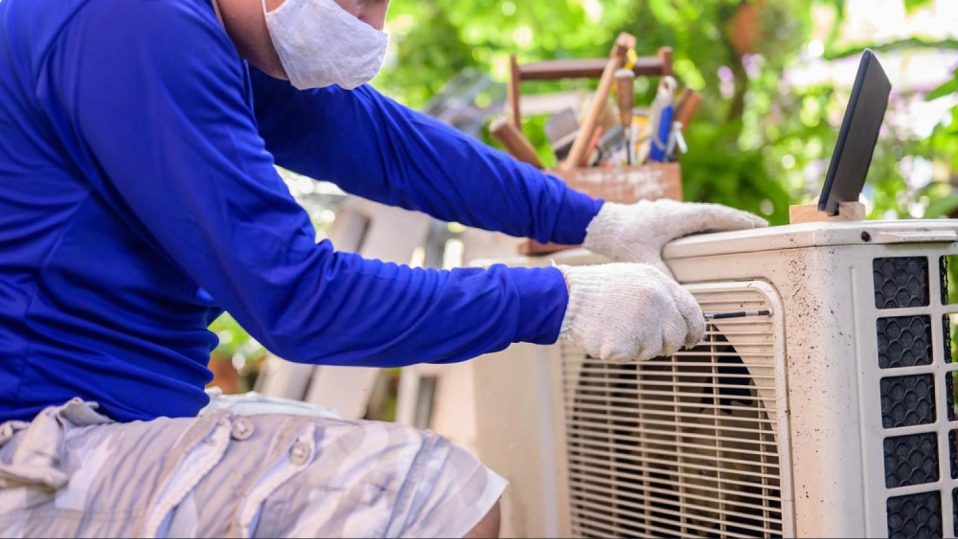
Villa upkeep in the UAE
Owning a villa in Dubai is a bigger maintenance job than owning an apartment
In an apartment, most of the building’s fabric is somebody else’s problem. The tower’s facilities team handles the roof, the chiller plant, the pest control in the risers, and the water tanks on the podium. In a villa, all of that lands on you. The roof above your bedroom, the compound wall, the garden irrigation, the split ACs on every floor, the water tank on the roof, the septic connection, the paint blistering in the sun, every element belongs to the homeowner. Dubai’s climate, salty coastal air, 45C summers, sand-laden shamal winds, and short but heavy winter rain, punishes a building the way few other climates do. Skipping a year of proper upkeep is how a small crack becomes a AED 40,000 waterproofing job.
This guide walks through the annual services every villa in Dubai should have on the calendar, and where it makes sense to bundle them into a single yearly house maintenance contract instead of chasing separate contractors for each job.
Annual maintenance contract vs paying job-by-job
Most villa owners face the same fork in the road: sign an annual maintenance contract (AMC) that covers scheduled visits and small repairs, or stay on ad-hoc call-outs and pay per job. Neither is universally right, but the trade-offs are worth understanding before your next AC breakdown at 2am in July.
Annual maintenance contract
- Scheduled AC servicing, usually twice a year
- Priority response on emergency call-outs
- Minor plumbing and electrical fixes included
- Predictable annual cost, easier to budget
- One point of contact for the whole villa
Pay-as-you-go repairs
- Higher per-visit charges, especially out of hours
- No preventive checks, problems are found late
- Different contractors, different quality
- Warranty gaps between jobs
- Waterproofing and pest issues often missed until damage shows
If your villa is more than five years old, or you live somewhere coastal like Jumeirah, Palm, or Umm Suqeim where humidity and salt accelerate wear, an AMC almost always pays for itself. If the villa is brand new and still under a developer defects liability period (usually 12 months from handover per RERA guidance), you can defer the contract until that window closes.
Priority one
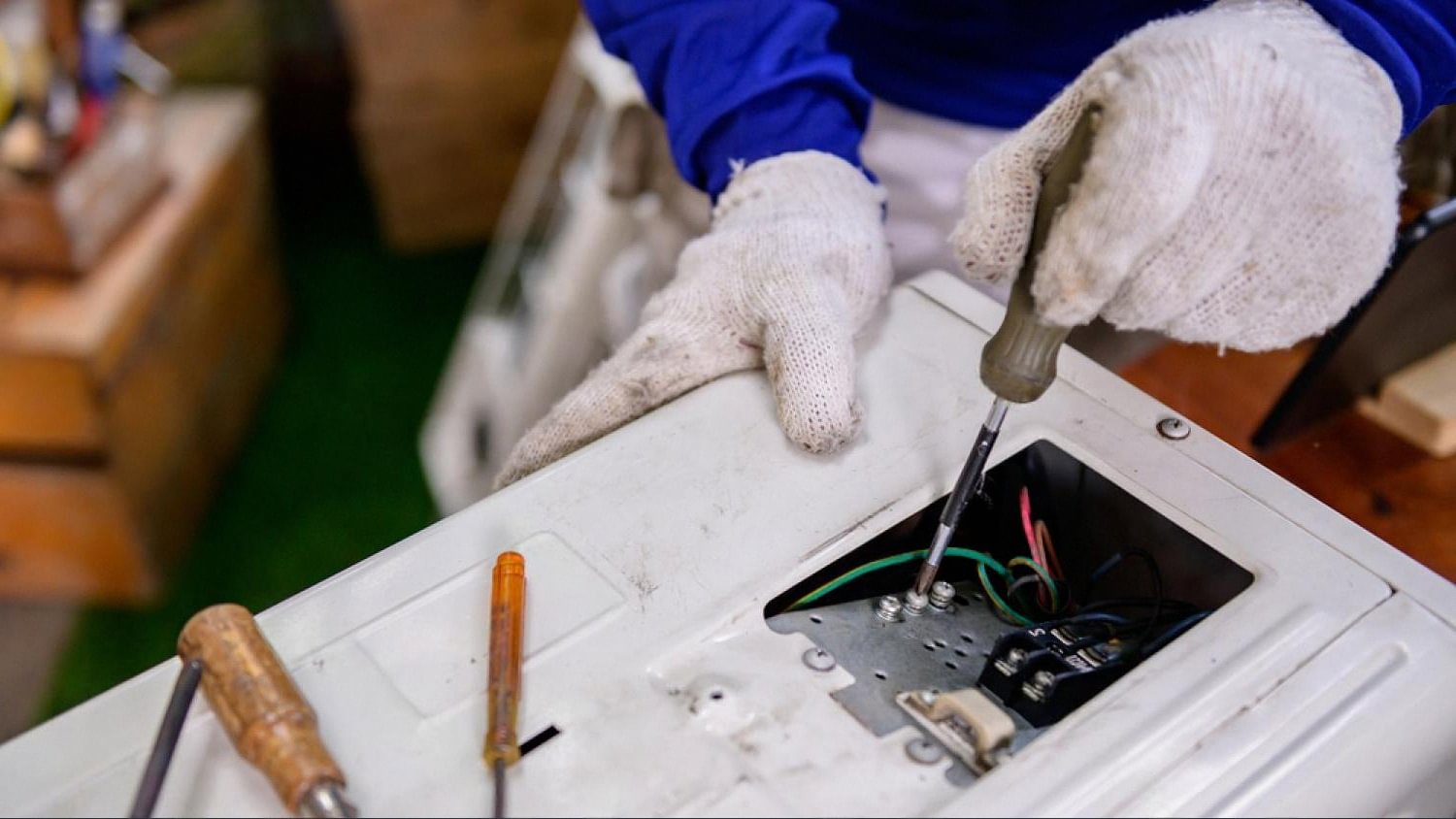
AC servicing is the single most important annual job
Air conditioning runs eight to ten months of the year in Dubai, and in July and August it barely switches off. That workload is brutal on split units and ducted systems alike. A neglected AC does not just cost more to run, it fails on the hottest week of the year, which is also the week every technician in the city is fully booked.
- Filter cleaning every three to four months. Dust and fine sand clog filters fast in Dubai, cutting airflow and forcing the compressor to work harder.
- Coil inspection and cleaning once a year. Evaporator and condenser coils lose efficiency when caked with dust; a clean coil can drop your DEWA bill by a noticeable margin.
- Refrigerant level check to catch slow leaks before the unit stops cooling entirely.
- Duct cleaning every two to three years for ducted systems, more often if anyone in the house has asthma or allergies.
If you only budget for one villa maintenance service a year, make it a full AC service before the summer starts, ideally in March or early April.
Roofs, terraces, balconies and waterproofing
Dubai gets very little rain, but when it rains it tends to pour. The storms of April 2024 broke records across the UAE and exposed weak waterproofing in thousands of villas across the city (see the 2024 Persian Gulf floods for context). The rest of the year, the problem is not water but heat: roof membranes bake at surface temperatures above 70C, expand, contract, and eventually crack.
An annual inspection of the roof, terrace floors, balcony drains, and any exterior joints should catch three things: hairline cracks in the screed, blistering or lifting of the waterproof membrane, and blocked outlets where sand and leaves have collected. Fixing these before the November-to-March rain window is far cheaper than repairing water-damaged ceilings and walls after the fact.
Exterior paint and facade condition
Sun damage
Heat, UV and salt do the same thing paint remover does, just slower
Direct sun and 40C-plus surface temperatures cause exterior paint in Dubai to fade, chalk, and eventually peel. Villas near the coast get the added bonus of salt-laden air, which attacks render and metalwork alongside the paint. Small cracks in the render are worse than they look: they let humid air into the wall cavity, where it can meet cool internal AC surfaces and cause condensation inside the block.
A yearly walk-around, ideally in October when temperatures drop, should flag any hairline cracks, peeling paint, rust bloom on window grilles, and gaps around AC pipe penetrations. Small touch-ups every year push the full repaint out from every three years to every six or seven.
Pest inspections and prevention
Villas are more exposed to pests than apartments simply because they have more entry points: garden walls, garage doors, service yards, garbage areas, and pipework running through the ground floor. Dubai Municipality regularly warns residents about the pests that thrive in this climate, and any homeowner will recognise the usual list.
- Cockroachesparticularly the German variety, love kitchen voids and bathroom pipework.
- Antsfrom tiny sugar ants to larger black ants, follow any food trail and colonise wall cavities.
- Rodentsmostly rats and house mice, chew through insulation, plastic pipes, and occasionally electrical wiring, which is a genuine fire risk.
- Termitesless common but very damaging when they find timber skirting, door frames or built-in wardrobes.
- Bed bugs and mosquitoesboth worse after the humid summer months.
One professional inspection and treatment a year, plus a follow-up if you spot early signs, is usually enough. A pest company approved by Dubai Municipality will use products that are safe around children and pets, which the supermarket sprays are generally not.
Water tank cleaning and inspection
Almost every villa in Dubai stores water in a roof tank, an underground tank, or both. That water sits in the heat, and unless the tank is cleaned it accumulates sediment, biofilm, and sometimes algae. Dubai Municipality recommends water tank cleaning at least once a year for residential properties, and it is a service that is easy to forget because the tank is out of sight.
A proper clean involves draining the tank, physically scrubbing the walls, disinfecting with an approved chlorine solution, rinsing, and inspecting the tank for cracks, damaged seals, and any sign of external contamination. It is also the right time to check the float valve, the inlet filter, and the internal ladder or access hatch. If you have small children in the house or anyone with a weakened immune system, this is not a job to postpone.
Putting it all on one calendar
Annual home maintenance sounds like a long list, and it is, but most of it fits into two or three visits a year if you plan properly. A sensible rhythm for a Dubai villa looks like this:
- February to March: full AC service, duct check, water tank cleaning.
- April to May: pest inspection and treatment before the summer breeding season.
- October to November: roof, terrace and waterproofing inspection, exterior paint touch-ups, second AC filter clean.
A villa that gets these visits every year, with a competent contractor and honest reporting, holds its value, keeps its running costs down, and does not surprise you with emergency call-outs at the worst possible times. Skipping a year almost never saves money; it just moves the bill into a bigger column later on.
Frequently asked questions
How often should I service the AC units in my Dubai villa?
A full professional service once a year, ideally in February or March before the summer load kicks in, plus filter cleaning every three to four months. Ducted systems benefit from duct cleaning every two to three years.
Is an annual maintenance contract worth it for a Dubai villa?
For villas over five years old, or homes in humid coastal areas, an AMC almost always pays for itself through scheduled AC servicing, priority call-outs, and included minor repairs. For a brand new villa still under developer warranty, you can usually wait until that period ends before signing one.
How often should a residential water tank be cleaned in Dubai?
Dubai Municipality recommends water tank cleaning at least once a year for residential properties. Cleaning involves draining, scrubbing, disinfecting with an approved chlorine solution, and inspecting the tank for cracks or damaged seals.
What are the most common pests in Dubai villas?
Cockroaches, ants, rodents such as rats and mice, termites in older properties with timber fittings, and seasonally mosquitoes and bed bugs. One professional inspection and treatment a year from a Municipality-approved company is usually enough to keep them under control.
When is the best time to inspect roofs and waterproofing?
October or early November, before the possible rain window between November and March. Inspecting after the summer heat lets you catch cracks and membrane damage caused by thermal expansion, and gives you time to repair them before any storms arrive.
How long does exterior paint last on a Dubai villa?
Without touch-ups, exterior paint typically starts fading and chalking within three to four years due to UV and heat exposure, and needs a full repaint by year five or six. With yearly touch-ups on the worst-affected walls, you can push a full repaint out to seven years or more.
Can I do any of this maintenance myself?
Filter cleaning, checking balcony drains for sand, and basic visual inspections are all safe DIY tasks. Refrigerant handling, water tank disinfection, roof waterproofing repairs, and pest treatments should be left to licensed professionals, both for safety and because Dubai regulations require approved contractors for several of these jobs.

Hiking addict, foodie, music blogger, Mad Men fan and front-end developer. Working at the junction of beauty and sustainability to craft experiences both online and in real life. Let’s design a world that’s thoughtful, considered and aesthetically pleasing.